
Flexibility Challenges
Flexibility challenges are activities or programs designed to improve and enhance flexibility through a series of targeted exercises and stretches, encouraging individuals to gradually increase their range of motion, achieve better muscle flexibility, and promote overall physical well-being and mobility.
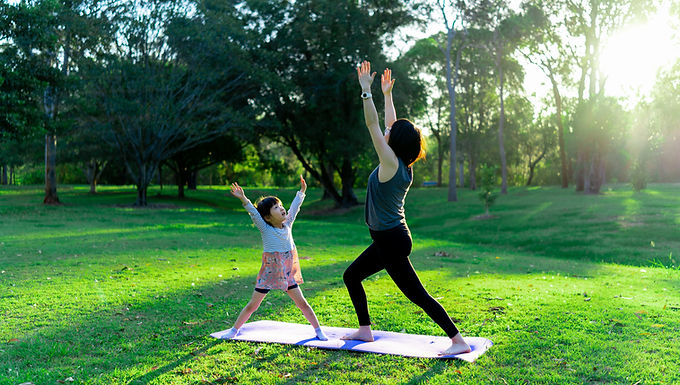
Flexibility Challenges
Here's an activity guide for physical development focusing on flexibility through flexibility challenges:
1. Warm-up:
Begin with a 5-10 minute warm-up to increase blood flow and prepare your muscles for stretching. This can include light cardio exercises like jogging in place, jumping jacks, or dynamic stretches.
2. Choose Your Flexibility Challenges:
Select a variety of flexibility challenges that target different muscle groups and aspects of flexibility. Here are a few examples:
Toe Touch Challenge:
Sit on the floor with your legs extended in front of you and aim to touch your toes or go beyond. Track your progress and aim to improve your flexibility over time.
Split Challenge:
Work on achieving a front split or side split. Start with a comfortable range of motion and gradually work towards a deeper split. Use proper form and alignment to prevent injury.
Backbend Challenge:
Focus on improving your backbend flexibility. Start with gentle backbends like Cobra Pose or Bridge Pose and gradually progress to more advanced backbends like Wheel Pose or Camel Pose.
Shoulder and Chest Opener Challenge:
Work on opening up your shoulders and chest. Practice exercises like Cow Face Arms, Eagle Arms, or Gomukhasana to improve flexibility in these areas.
Hip Opener Challenge:
Target your hip flexibility with exercises like Pigeon Pose, Butterfly Pose, or Frog Pose. Gradually work towards a deeper stretch and increased range of motion.
3. Set Goals and Track Progress:
Set specific goals for each flexibility challenge and track your progress over time. This can be done by measuring the distance reached, timing the duration of a stretch, or taking photos to visually document your progress. Celebrate your achievements along the way.
4. Consistency and Frequency:
Aim to practice flexibility challenges at least 2-3 times per week. Consistency is key to improving flexibility. Be patient and persistent, as progress may take time.
5. Gradual Progression:
Gradually increase the intensity and duration of your stretches as your flexibility improves. Listen to your body and avoid pushing yourself too hard or forcing a stretch beyond your comfort level.
6. Cool-down and Stretching:
After completing your flexibility challenges, cool down with some light stretching exercises. Focus on stretching the major muscle groups used during the challenges, such as the legs, hips, and back.
7. Stay Hydrated:
Remember to drink water before, during, and after your flexibility training to stay hydrated.
8. Enjoy the Process:
Embrace the journey of improving your flexibility and celebrate the small victories along the way. Enjoy the sense of accomplishment that comes with increased flexibility and the benefits it brings to your overall physical development.
Remember to practice with proper form and technique, and if you have any specific health concerns or limitations, consult with a qualified instructor or healthcare professional before starting a new flexibility routine. Have fun and enjoy your flexibility challenges!